
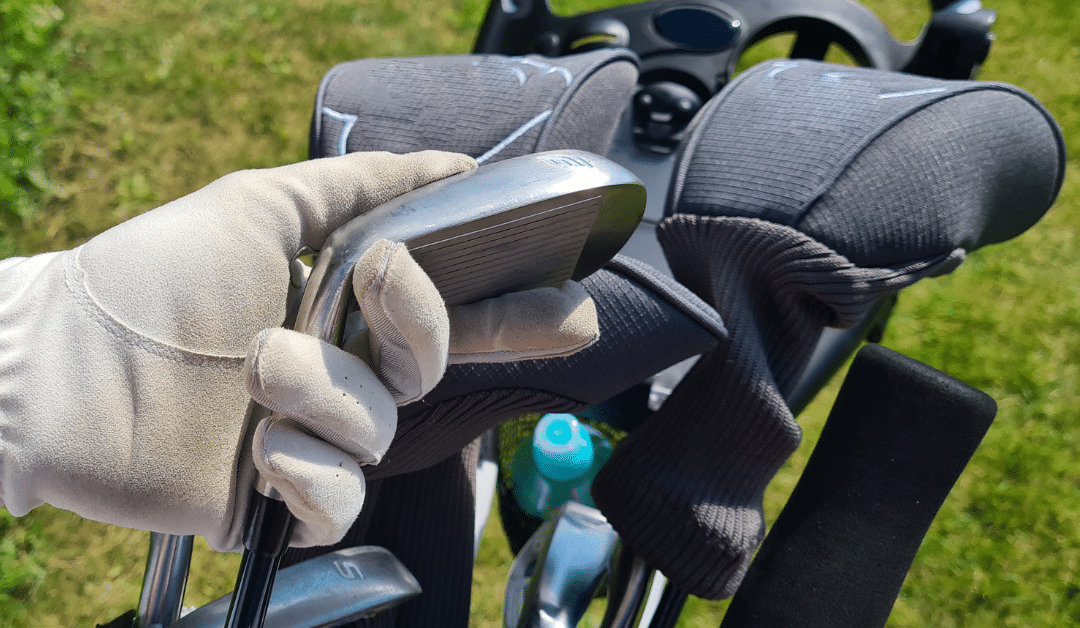
As temperatures begin to drop and the golf season transitions into cooler weather, taking care of your equipment becomes especially important. Between damp fairways, fallen leaves, muddy conditions, and changing temperatures, your clubs can experience additional wear throughout the fall. Whether you plan to continue playing through the colder months or store your equipment until spring, proper golf club maintenance can help protect your investment and keep your clubs performing their best.
Golf clubs are designed to withstand repeated use, but that does not mean they are immune to damage. Dirt buildup, moisture, worn grips, and improper storage can gradually affect their condition. Fortunately, keeping your equipment in good shape does not require expensive products or complicated routines. A few consistent habits can make a noticeable difference.
At Golden Oaks Golf Club, golfers can enjoy an exceptional course experience throughout the playing season. Before your next round, take some time to understand how to protect your clubs, prevent unnecessary wear, and prepare your equipment for changing weather conditions.
Why Golf Club Maintenance Matters
Many golfers focus on improving their swing, choosing the right clubs, and practicing their short game. However, maintaining the equipment they already own is just as important.
Every time you play, your clubs come into contact with grass, soil, sand, moisture, and other materials. Over time, these substances can collect on clubfaces, settle into grooves, and affect the condition of grips and shafts.
Dirty clubfaces can interfere with consistent contact between the ball and club. Worn grips may become slippery, causing golfers to hold the club more tightly than necessary. Moisture left on metal components can also contribute to corrosion.
Regular golf club maintenance helps reduce these problems while giving you opportunities to identify damage before it becomes more serious.
It can also save money over time. Replacing an entire set of clubs is a significant investment, and proper care can help extend the useful life of equipment that is still performing well.
1. Clean Your Clubs After Every Round
One of the simplest ways to protect your clubs is to clean them regularly.
Throughout a round, grass, mud, and sand can accumulate on the clubface. This is particularly common during fall when fairways may remain damp longer and soft ground can leave additional debris on your equipment.
For routine cleaning, use a soft brush, warm water, and a small amount of mild dish soap when needed. Gently scrub the clubface and grooves to remove dirt, then wipe the club clean with a soft towel.
Avoid using abrasive materials or harsh chemicals that could damage the club’s finish. You should also avoid soaking entire clubs, particularly around the ferrules and shaft connections.
For woods and drivers, use a damp microfiber cloth and follow the manufacturer’s cleaning recommendations. These clubs often have specialized finishes and materials that require gentler care than traditional irons.
Cleaning your equipment immediately after playing prevents dirt from drying and becoming more difficult to remove.
Making this part of your golf club maintenance routine only takes a few minutes, but it can help keep your clubs in better condition throughout the season.
2. Keep Your Club Grooves Clean
The grooves on irons and wedges play an important role in how the club interacts with the golf ball.
They help manage moisture and debris between the clubface and ball, particularly when playing from grass or damp conditions. Clean grooves can contribute to more predictable contact and spin, especially on shorter approach shots.
During fall, grass and mud may become trapped in the grooves more frequently. If you continue hitting shots without removing that buildup, performance may become less consistent.
Use a soft-bristled brush or a cleaning tool specifically designed for golf clubs. Work carefully along the grooves rather than scraping aggressively across the face.
Avoid using sharp metal objects that could damage the grooves or alter their shape.
After cleaning, wipe the clubface dry before returning the club to your bag.
For golfers who regularly use wedges around the green, keeping the grooves clean is particularly important. These clubs frequently encounter sand, rough, and softer ground conditions.
3. Dry Your Clubs Thoroughly
Moisture is one of the biggest concerns when caring for golf equipment during cooler months.
Morning dew, light rain, wet grass, and muddy conditions can leave your clubs damp even when the weather seems relatively dry.
If moisture remains on metal components for extended periods, corrosion may develop. This is especially concerning when clubs are stored in enclosed bags or areas with poor ventilation.
Proper golf club maintenance includes drying your equipment thoroughly before putting it away.
After playing, wipe down the clubheads and shafts with a clean towel. Pay particular attention to areas where moisture may collect, including around the clubhead and shaft connection.
If your golf bag becomes wet, remove the clubs when you get home and allow the bag to dry completely.
You should also check the pockets of your bag for damp towels, gloves, or other items. Leaving wet accessories inside can create a humid environment that is not ideal for long-term equipment storage.
A few extra minutes of drying can help prevent avoidable damage.
4. Inspect Your Golf Grips
Golf grips are often overlooked until they become noticeably slippery or uncomfortable.
However, grips gradually wear down through regular use. Sweat, skin oils, dirt, sunscreen, and exposure to changing temperatures can affect their texture and condition.
A worn grip may cause you to hold the club more tightly to maintain control. That additional tension can influence how comfortably and consistently you swing.
During your regular golf club maintenance routine, inspect each grip for smooth areas, cracks, hardening, or changes in texture.
You can clean many standard rubber grips using warm water, mild soap, and a soft brush or cloth. Rinse carefully and allow them to air-dry completely.
Always check the manufacturer’s instructions, especially if your grips contain specialized materials.
If cleaning no longer restores a secure feel, it may be time to consider replacing them.
The frequency of replacement depends on how often you play, how you store your clubs, and the condition of the grips themselves.
Golfers who play several times each week may need replacements more frequently than those who play occasionally.
5. Protect Your Clubs From Temperature Changes
Fall weather can be unpredictable. A relatively warm afternoon may be followed by a cold evening, and temperatures can fluctuate considerably from one day to the next.
Although golf clubs are built to handle outdoor conditions, prolonged exposure to extreme temperatures can affect certain materials and components.
Leaving clubs in a vehicle for extended periods is generally not ideal, especially when temperatures become very hot or cold.
Heat can affect adhesives and some grip materials, while cold conditions may make certain materials feel harder or less flexible. Repeated exposure to moisture and temperature changes can also create storage concerns.
Instead, keep your clubs in a clean, dry location with relatively stable temperatures whenever possible.
A climate-controlled room, closet, or other appropriate indoor storage area is often a better option than a damp basement, unheated shed, or vehicle trunk.
Consistent storage conditions are an important part of golf club maintenance, particularly for golfers who may go several weeks or months between rounds.
6. Use Headcovers to Prevent Damage
Golf clubs can experience wear even when they are not being used.
As you walk or ride around the course, clubs naturally move inside your bag. Without adequate protection, clubheads can knock against one another and develop scratches or cosmetic damage.
Headcovers help reduce this contact, particularly for drivers, fairway woods, hybrids, and putters.
These clubs may have finishes or components that benefit from additional protection.
Make sure headcovers fit properly and are kept clean and dry. A wet headcover should be removed and allowed to dry rather than left on a club for an extended period.
Although headcovers do not prevent every type of damage, they are a simple way to protect your equipment during transportation and storage.
7. Check Your Shafts for Signs of Wear
While golfers often pay attention to clubheads and grips, the shafts deserve regular inspection as well.
Shafts are designed to withstand the forces created during a golf swing, but they can still experience damage from impacts, improper handling, or general wear.
Steel shafts should be checked for rust, dents, or unusual bending. Graphite shafts should be inspected for visible cracks, splintering, or other surface damage.
Pay attention to the area near the clubhead, where damage may sometimes be less noticeable.
If you discover anything unusual, avoid continuing to use the club until it has been evaluated by a qualified club repair professional.
A damaged shaft can affect performance and potentially create a safety concern.
Including shaft inspections in your golf club maintenance routine helps you identify issues before they become more significant.
8. Take Care of Your Golf Bag
Your golf bag plays an important role in protecting your equipment.
A bag that is consistently wet, dirty, or overloaded may create unnecessary problems for the clubs stored inside.
Start by removing unnecessary items from the pockets. Old scorecards, food wrappers, damp towels, and forgotten accessories can accumulate surprisingly quickly.
Empty the bag periodically and inspect the interior for dirt or moisture.
If the bag becomes wet during a round, open the pockets and allow everything to dry thoroughly.
Check the dividers to make sure they are not excessively worn or damaged. Dividers help separate clubs and reduce unnecessary contact between shafts and grips.
You should also inspect the straps, zippers, and stand mechanism if your bag has one.
A clean, functional bag makes it easier to organize your equipment and helps protect your clubs during transportation.
9. Prepare Your Clubs for Winter Storage
Not every golfer continues playing throughout the winter. If you plan to put your clubs away for several months, preparing them properly can help ensure they are ready when the next season begins.
Start with a thorough cleaning of every club. Remove dirt from the faces and grooves, clean the grips, and wipe down the shafts.
Allow everything to dry completely before returning the clubs to your bag.
Next, inspect the equipment for signs of wear or damage. The offseason can be a convenient time to arrange grip replacements or professional repairs without interrupting your regular playing schedule.
Choose a dry indoor storage location where temperatures remain reasonably consistent.
Avoid placing your golf bag directly against damp walls or leaving it in areas where condensation frequently develops.
For long-term golf club maintenance, it is also worth checking your equipment periodically during storage. This allows you to identify moisture or other concerns before they cause unnecessary damage.
When spring arrives, your clubs will already be clean and ready for a final inspection before your first round.
10. Check Your Equipment Before Your Next Round
Even if you maintain your clubs regularly, it is worth giving everything a quick inspection before heading to the course.
Start by checking that your grips feel secure and comfortable. Look for any obvious damage to the shafts or clubheads, and make sure the faces are free from dried dirt or debris.
You should also check that adjustable clubhead components are secure according to the manufacturer’s instructions. If anything feels loose, have it inspected rather than attempting an unfamiliar repair.
Next, organize your bag so you can easily find each club. Make sure your headcovers are in place and that you have a clean towel available for the round.
This is especially helpful during fall when conditions can change quickly. Carrying an extra dry towel allows you to clean moisture and mud from your clubs throughout the day.
Good golf club maintenance does not have to involve a lengthy process. Small checks before and after each round can help prevent unnecessary wear while keeping your equipment ready to perform.
11. Know When Professional Repairs Are Necessary
Some equipment issues can be handled with simple cleaning, but others require professional attention.
Loose clubheads, cracked shafts, damaged ferrules, and severely worn grips should not be ignored. Continuing to use damaged equipment may affect your performance and, in certain cases, create safety risks.
If you notice an unusual sound or feel during your swing, inspect the club before using it again.
It is also important to recognize the difference between cosmetic wear and structural damage. Small scratches may have little effect on performance, while cracks or loose connections deserve immediate attention.
When in doubt, consult a qualified golf equipment professional who can evaluate the condition of your clubs and recommend the appropriate next steps.
12. Make Equipment Care Part of Your Golf Routine
The easiest way to maintain your equipment is to build simple care habits into your regular routine.
Clean dirt from your clubs during the round, wipe everything down afterward, and allow damp equipment to dry before storing it.
Every few weeks, take a closer look at your grips, shafts, and clubheads. This helps you recognize gradual changes that might otherwise go unnoticed.
Golfers who practice frequently should also pay attention to the condition of their most-used clubs. Wedges and short irons often experience repeated contact with turf and sand, making regular cleaning particularly valuable.
Consistency matters more than spending hours cleaning your clubs once or twice a year.
By making golf club maintenance a normal part of your routine, you can protect your equipment without adding much time or effort to your schedule.
Enjoy the Season at Golden Oaks Golf Club
Taking care of your equipment helps you feel prepared whenever you head out for a round.
Golden Oaks Golf Club, located in Fleetwood, Pennsylvania, offers an award-winning, semi-private golf experience that is open to the public. With five sets of tees, a driving range, and a well-stocked pro shop, golfers of different skill levels can enjoy the course and continue developing their game.
Berks County, PA
Fall offers a different experience from summer golf. Cooler temperatures, changing foliage, and varying course conditions make preparation especially worthwhile.
Before your next visit, make sure your clubs are clean, your grips are in good condition, and your equipment is ready for the weather.
Whether you are enjoying one more fall round or preparing for a winter break, taking care of your clubs now can help you start your next golf season with confidence.
Taking Care of Your Investment
Your golf clubs are an investment in a game you enjoy, and taking care of them should be part of every golfer’s routine.
From cleaning clubfaces and grooves to inspecting grips, checking shafts, and choosing the right storage location, small steps can help prevent unnecessary wear. Cooler weather makes these habits particularly important because moisture, mud, and changing temperatures can create additional challenges.
Proper golf club maintenance does not require expensive equipment or complicated procedures. Consistent cleaning, careful handling, and regular inspections can help extend the useful life of your clubs and keep them ready for your next round.
At Golden Oaks Golf Club, golfers can enjoy a beautiful course while putting their equipment and skills to use. Before your next visit, give your clubs the attention they deserve and get ready for another enjoyable day on the fairways.
Learn more at Golden Oaks. Follow us on Facebook and Instagram to stay up to date with us!
Recent Comments